Description
Disclaimer: This is a research chemical only. It’s not a medication, and it’s not approved for human or animal use outside of authorized studies
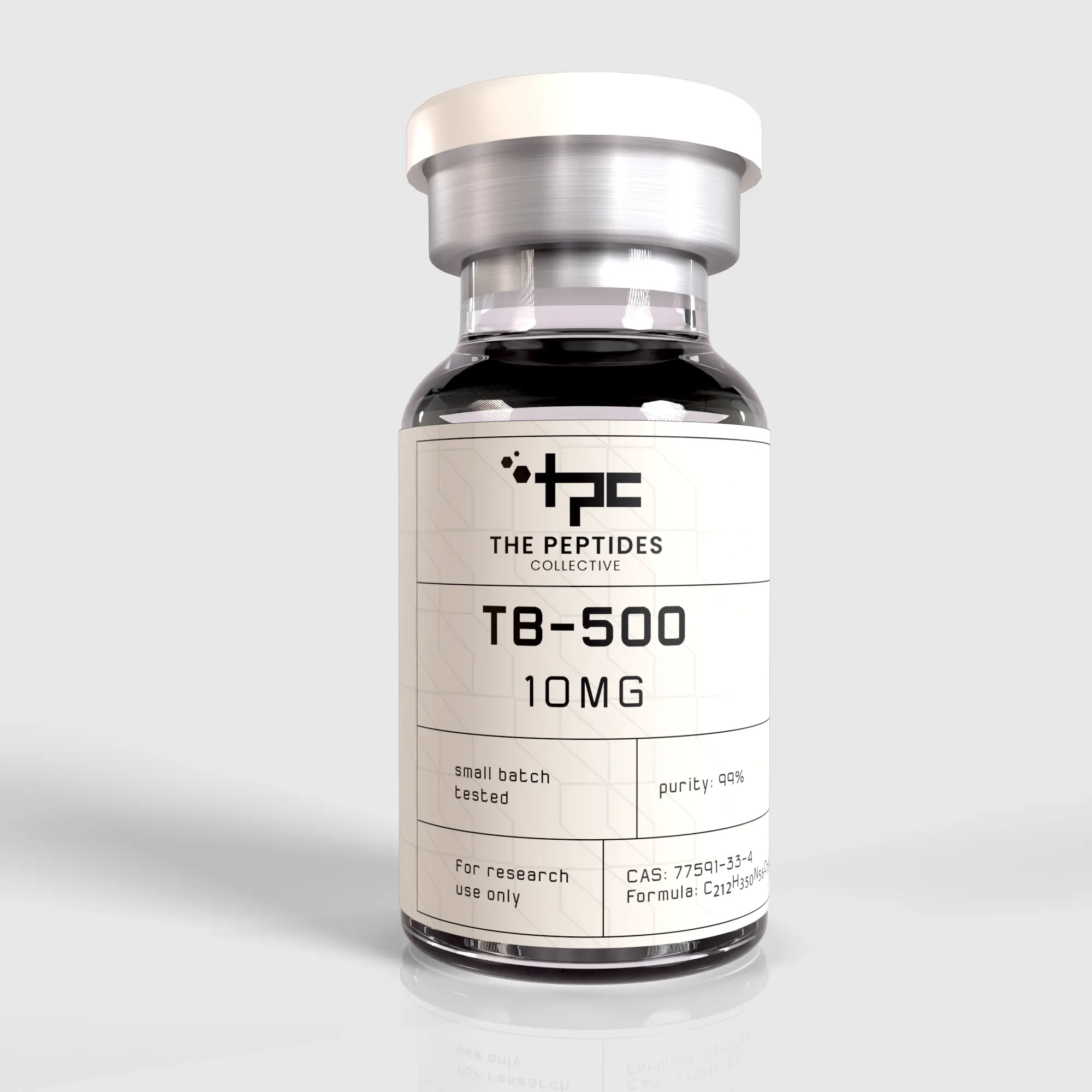
| Sequence | Ac‑Ser‑Asp‑Lys‑Pro‑Asp‑Met‑Ala‑Glu‑Ile‑Glu‑Lys‑Phe‑Asp‑Lys‑Ser‑Lys‑Leu‑Lys‑Lys‑Thr‑Glu‑Thr‑Gln‑Glu‑Lys‑Asn‑Pro‑Leu‑Pro‑Ser‑Lys‑Glu‑Thr‑Ile‑Glu‑Gln‑Glu‑Lys‑Gln‑Ala‑Gly‑Glu‑Ser‑OH (Thymosin β4, 43 aa) |
| Molecular Weight | ~4963.5 Da |
| PubChem CID | 16132341 |
| CAS # | 77591‑33‑4 |
Peptide sequence:
Molecular weight:
PubChem CID:
Correct CAS:
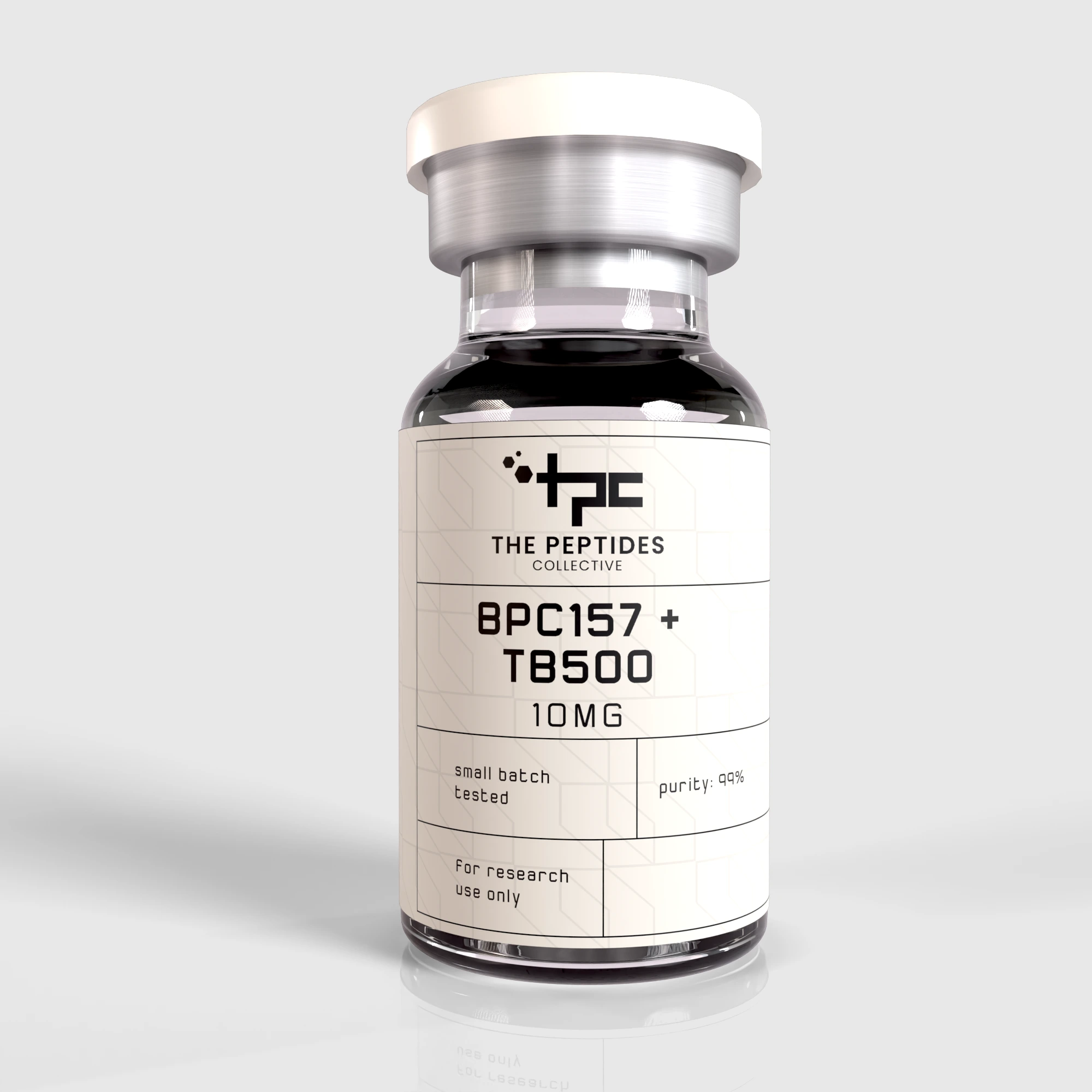
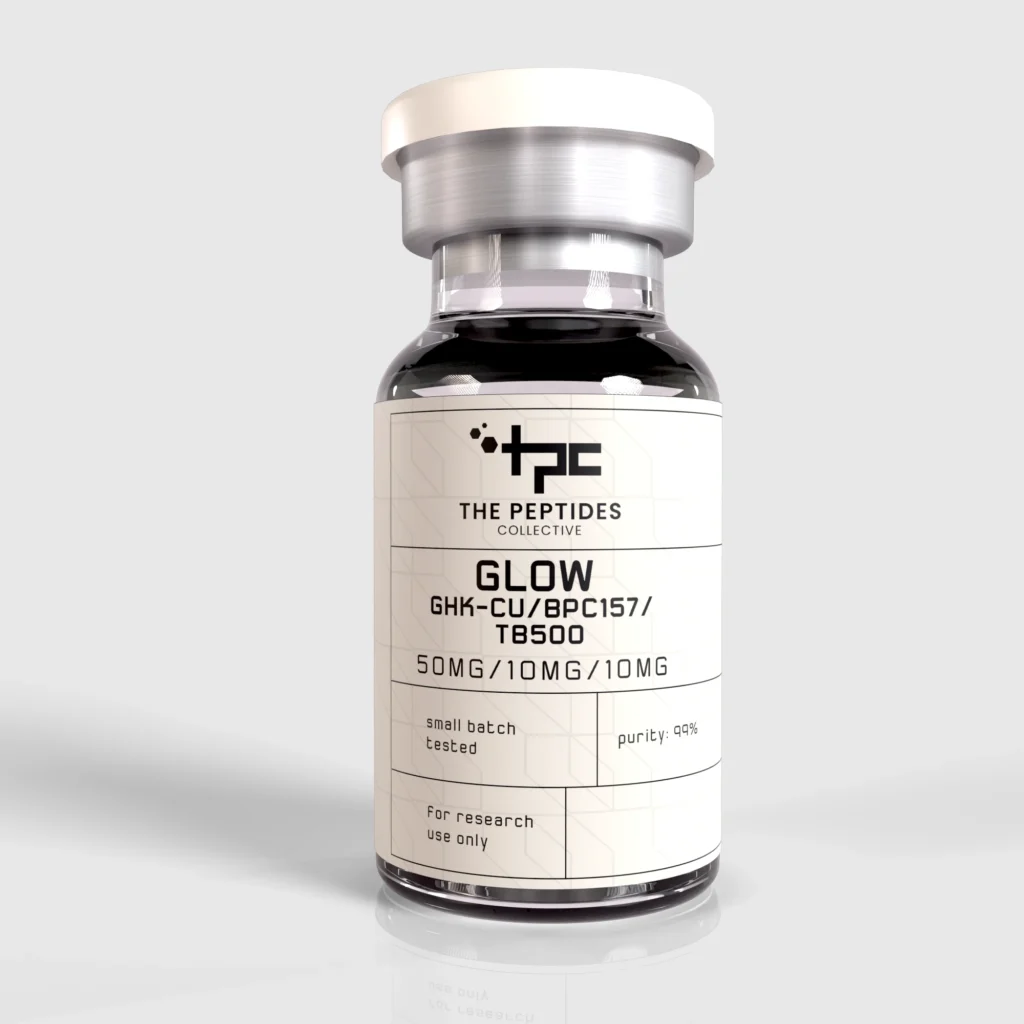
TB-500 (thymosin beta-4 fragment) has been the subject of significant pharmacological interest due to its small molecular size, high aqueous solubility, and capacity for rapid systemic distribution. In controlled research models, TB-500 demonstrates accelerated diffusion across tissues, enabling broad bioavailability and swift cellular engagement following administration. This characteristic makes it particularly valuable for investigations requiring widespread tissue penetration and timely activation of cytoprotective pathways.
Pharmacokinetic data indicate that TB-500 disperses efficiently through vascular and interstitial compartments, where it interacts with actin-binding proteins to promote cellular migration and tissue remodeling. Its transient half-life is offset by its ability to initiate cascades of regenerative signaling, positioning it as a candidate of interest in studies focused on acute injury or conditions requiring enhanced repair kinetics.
Beyond pharmacokinetics, TB-500 has been explored in multiple domains of experimental science for
Musculoskeletal Regeneration: TB-500 has shown promise in models of tendon and muscle injury, where it enhances fibroblast migration, collagen deposition, and angiogenesis—key processes in accelerating tissue repair.
Cardiovascular Support: Preclinical studies highlight TB-500’s ability to stimulate endothelial cell differentiation and neovascularization, suggesting a potential role in cardiac ischemia and vascular remodeling models.
Neuroprotection: Research indicates TB-500 may modulate glial activity and attenuate neuroinflammatory cascades, positioning it as an investigational compound for central nervous system injury and degenerative disorders.
Cytoskeletal Stabilization: By binding actin and influencing cytoskeletal dynamics, TB-500 contributes to cell survival under oxidative and mechanical stress, supporting its use in experimental studies on cellular resilience and stress adaptation.
Collectively, these properties frame TB-500 as a multifaceted investigational compound with applications across regenerative biology, cardiovascular physiology, and neuroprotection. Its rapid systemic distribution and broad tissue affinity distinguish it as a unique model agent for research into healing, repair, and cytoskeletal stabilization.
Reviews
There are no reviews yet.